
Area Councils: AGC’s area councils provide an important local perspective that guides the development of the chapter’s services and initiatives and connects the region’s contractors.
- Central Oregon Area Council: The Central Oregon Area Council is a network of contractors and industry associates located in Crook, Deschutes, and Jefferson Counties. View the charter.
 Klamath Area Council: The Klamath Area Council is a network of contractors and industry associates in the Klamath area. View the charter.
- North and Central Coast Area Council: The North and Central Coast Area Council is a network of contractors and industry associates in Clatsop, Columbia, Tillamook, Lincoln, Lane, and Douglas Counties. View the charter.
- Rogue Valley Area Council: The Rogue Valley Area Council was created in 2008 to organize and unify members in Southern Oregon. View the charter.
- South Coast Area Council: The South Coast Area Council is a network of contractors and industry associates brought together to better connect the region’s contractors with the benefits of AGC membership and to create opportunities for interaction among the area’s members. View the charter.
 Klamath Area Council: The Klamath Area Council is a network of contractors and industry associates in the Klamath area.
Board of Directors: The board of directors is comprised of elected, appointed, and designated members representing all segments of the chapter’s membership. Directors serve a one-year term but may be re-elected for subsequent terms. Elected directors are nominated each year by the Nominating Committee and must be principals, officers, or employees of general contractor members.
 Construction Leadership Council: The Construction Leadership Council (CLC) is a conduit for participants to network, exchange ideas about work and the industry, serve local communities, continue professional development, and develop leadership skills. View the charter.
Highway/Heavy/Utility Contractors Council: This council promotes the civil sector of the construction industry, and specifically works with the Oregon Department of Transportation (ODOT). View the charter.
Legal Operating Committee: This committee is open to representatives from member law firms only. Committee members meet as needed, and committee members may also be asked to provide limited response to member questions.
Legislative Forum: The forum is open to any AGC member interested in participating in the shaping of the chapter’s core policies
Participants include representation across all contractor sectors and industry associates. View the charter.
Professional and Industry Associates Council: This council is comprised of member firms that provide goods and/or services to the construction industry, such as lawyers, accountants, equipment rental companies, and insurance agents. Council activities include planning and hosting educational and networking events. View the charter.
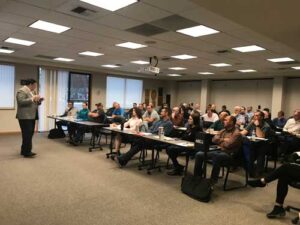 Safety and Health Council: Members of this council share ideas, provide educational opportunities, and discuss problems affecting the safety and well-being of employees throughout the industry. The council regularly interacts with OR-OSHA and Washington DOSH on construction-specific issues and provides resources to promote a safety and health culture within the construction community. View the charter.
Specialty Contractors Council: The purpose of the council is to offer opportunities for specialty and general contractors and associate members to connect. We are committed to helping our specialty contractor members grow in their success by opening a path for communication, relationships and problem solving. View the charter.
Union Contractor Group: This council is an important resource during negotiations of all labor agreements with the five construction crafts with which AGC contracts: carpenters, cement masons, laborers, operating engineers, and teamsters. The council is also devoted to creating a positive, businesslike partnership with not only trade unions, but also with other entities involved with the construction industry that impact the signatory contractor members of AGC.
Workers’ Compensation Negotiating Committee: This committee is open to participating members of the AGC/SAIF Workers’ Comp Retro Program who are interested in helping select appropriate plan factors, understanding program design and impact, monitoring plan performance, and helping to shape marketing and communication strategies.
Workforce and Professional Development Committee: This committee exercises program and fiscal oversight of the chapter’s workforce and professional development strategic objectives. Members of the committee discuss and review various education programs, industry recruitment and outreach efforts, and public relations messages that specifically target the construction workforce. View the charter.